If not here’s, why I believe they should.
When I first left college after studying for my NNEB. my first job was a nanny for two children.
A two and a half year-old girl and an 8 month-old little boy.
I was over the moon when I got my first job and being a nanny was a dream of mine.
(That was 39 years ago. I now have many other dreams. But that’s for another blog)
I remember the mum of my new family (she was an actress who played cameo parts in dramas.) She said to me she admired the way I included the two-and-a-half-year-old in many household chores.
How I made the tasks seem exciting and incorporated so many learning opportunities into simple day to day tasks.
I enjoyed finding new ways that the little girl could use her senses during household chores to form early concepts of size, shape, colour, and quantity.
I inspired her to create new ways of how she could get her toys put away in the box.
She could use other items to transport them. Collect them on a tray and carry to the box.
The box could be very hungry and needs to fill up on cars.
Why not give them a go at home ?, they really work...
It works with a child’s imagination.
Children using creativity is fundamental to successful learning.
It enables children to make connections between one area of learning and another and so extends their understanding. (taken from curriculum guidance for the foundation stage)
They can learn key skills to aid their development, communication and language, fine and gross motor skills.
They are also learning from us about chores. If we make them a fun regular part of the family routine, it won’t seem like a boring activity to avoid.
If we are always moaning about our chores, then our children will model us and moan too.
It was a fantastic way for me to build trust and a bond with the little girl as I started caring for her each day and finding out what her interests were.
I was teaching her lots of skills
all about communication,
taking turns,
working as a team,
negotiating skills,
asking for help
and the all-important one problem solving.
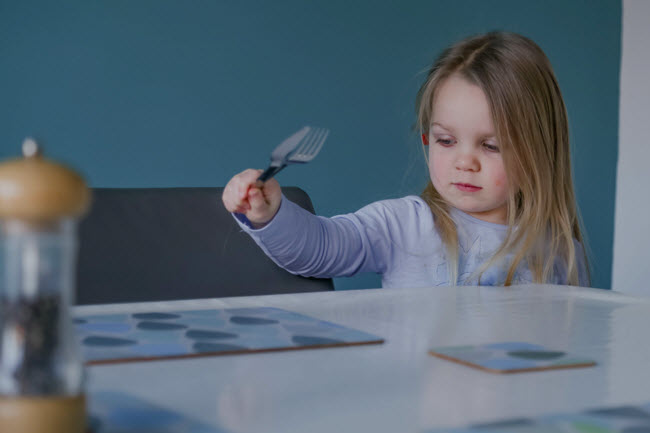
Mum stated that on her days off she enjoyed including the little girl with household tasks for the day and how this helped their relationship, by gaining a better understanding of her child.
She also said they had more time together to do fun activities, as her chores got completed and she didn’t feel overwhelmed.
I shared with mum how I had noticed in my observations her little girl’s confidence and self-esteem had grown as she now felt important and had a sense of purpose and responsibility.
(Training with the NNEB is all about observations- tracking, sociogram, timed, learning stories, narrative observations to name a few.)
I have always remembered this mums’ comments, and therefore I include this in my week 3 session of my behaviour course.( You can read more and grab a recording of my 4 course course here.)
You can also grab a freebie from me.
Building children’s self-esteem through day-to-day chores.
I share age-appropriate chore ideas little ones can master such as
Pressing the button on the washing machine.
Helping to feed the dog. Get a scooper and teach them how many scoops they need to put in the bowl. It is great counting practice.
Collect the post from the doormat.
Little spray bottle and wipe mats after dinner.
Chores are a great way to prevent challenging behaviours as you can tick lots of boxes.
Connection (special moments can prevent meltdowns.)
Sensory Input
Learning
Improving concentration
Planning and focus
Less impulsivity
Getting to know your child more.
Research also tells us that children who have a set of chores have higher self- esteem, are more responsible, and are better able to deal with frustration and delay gratification, all of which equals greater success at school.
Overall I think it creates good habits for the future as we want our little ones to grow up being able to function independently in the outside world.
Julie Lythcott-Haims an American author and public speaker talks about how to raise successful children and her ideas make sense.
Julie says,
” it stands to reason that children who grow up doing chores learn responsibility. They figure out how to get tasks done. They realize that messes don't clean themselves, literally and figuratively. And they develop a work ethic early on in life.”
I get that it’s not always easy to get little ones to do chores.
I hear from parents that it is much easier and quicker to do the chores themselves.
Children can make more mess sweeping the floor!!!
It is also less stressful for parents as most of the time children resist and whine, but we need to think of the future....
Julie says,
“by making children do chores like taking out the rubbish they realise they have to do the work of life in order to be a part of life.”
I love this saying.
So, what chores will you choose to give your little ones?
Would love to know how you get on.
You can check out Julie here on ted talks
“How to raise successful kids without over parenting”
Its a great watch.