- Feb 18
Why Your Child's Sleep Suddenly Falls Apart (And It's Not What You Think)
- Sue Welby
- Sleep
- 0 comments
"We were recommended to Sue by a friend of ours when experiencing a sudden onset of sleep issues with our eldest (age 4).
He went from visiting our room numerous times each night to not visiting at all within 1 week of implementing the tips Sue gave us.
If he now regresses on occasion, we're able to deal with it quickly using Sue's tools, so everyone gets better sleep." - Parent review, December 2025
Does this mums sleep challenge resonate?
If you're reading this and wondering why your previously good sleeper is suddenly a mess after holiday or illness, you're not alone.
One week your child is sleeping fine. The next week they're screaming for you at 2am, refusing to settle without you, or appearing at your bedside multiple times a night.
You're exhausted, confused, and wondering what on earth happened.
This was a recent comment on an Instagram post.( And I have similar ones in December and January every year)
"My 5-year-old is waking up screaming for me every night. He's been fine for 2 years and now suddenly needs me to cuddle him to sleep and sit with him on wake ups. What's going on?"
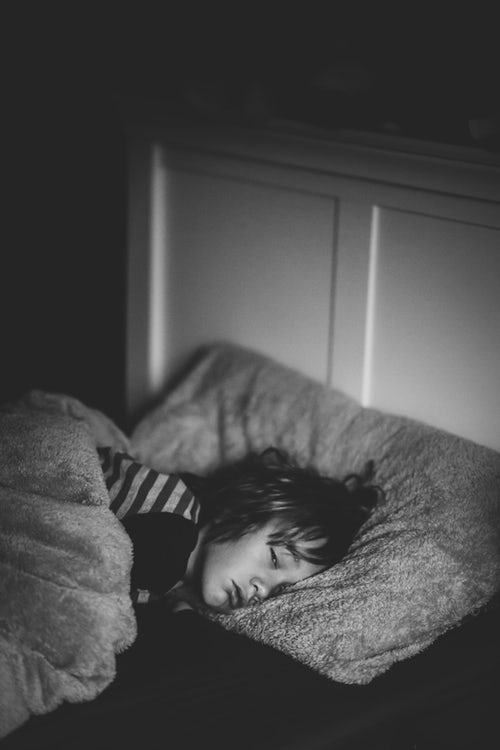
So what's really happening is, your child's need for certainty has been shaken.
What is Certainty?
Certainty is the deep human need to feel safe, secure, and know what's coming next. For children, certainty means predictable routines, familiar environments, and the confidence that their world is stable. When this need is met, their nervous system can relax. When it's not met, sleep falls apart.
When you're anxious about something uncertain in your life (a job interview, a medical test result, a difficult conversation), how well do you sleep? Your child is exactly the same, except they don't have the life experience to understand that uncertainty is temporary or the language skills to tell you what's wrong.
Why does this happen after big changes?
Starting school, moving house, a new sibling, Christmas disruptions, even positive changes like a holiday, these all shake up a child's sense of certainty. From my 41 years of working with families I know the impact often shows up weeks or even months later, not immediately. That's because children work hard to hold it together during the day. They're being brave, following new rules, managing big feelings.
But by nighttime, or after a few months, they run out of steam. Sleep is when the mask comes off and they show you they need help.
I hear it all the time, a child starts school in September and seems fine. Then December hits and suddenly bedtime is a battle. By December, the novelty has worn off. School isn't going away. The exhaustion catches up. Plus, December brings its own disruptions with Christmas activities and routine changes, which unsettles little ones even more.
So what happens when certainty needs aren't met?
When a child's need for certainty isn't being met, you'll see it show up in their sleep and behaviour.
At bedtime you might see.
Stalling and delaying (asking for one more story, one more drink, one more hug)
Increased clinginess and separation anxiety
New fears appearing (scared of the dark, monsters, being alone)
Needing you present to fall asleep when they previously didn't
During the day you might see.
More emotional outbursts or meltdowns
Regression in other areas (potty training, eating independently)
Clinginess and not wanting you to leave
Difficulty with transitions or changes to routine
Parents can often respond to these behaviours with stricter boundaries, thinking their child is "testing limits" or "being manipulative." But that usually makes things worse because it doesn't address what's actually happening, your child's brain doesn't feel safe.
When certainty needs go unmet for too long, children can become hypervigilant. Their nervous system stays in alert mode, scanning for danger, unable to relax into sleep. This creates a cycle where poor sleep makes them more dysregulated, which makes certainty even harder to feel, which makes sleep worse.

Here are some quick ways to rebuild Certainty.
Keep bedtime routine exactly the same every night, same order, same timing
Create a visual chart together so they know what's coming
Give them small choices (which pyjamas, which story) so they feel some control
Stay with them if they need you right now, forcing independence before they're ready makes it last longer.
Talk about tomorrow during the day so they know what to expect.
Meeting their need for certainty helps their brain feel safe enough to let go into sleep.
But Certainty is just one little piece.
Certainty is powerful, but it's just one of six core human needs that affect your child's sleep, connection, variety, significance, growth, contribution, and certainty.
When you understand all six needs and which ones are strongest for your child's unique temperament, sleep challenges start to make sense. Better yet, you know exactly what to do about them.
Different children have different temperaments, which means some needs will be stronger for certain children than others.
Your sensitive child might have higher certainty needs.
Your adventurous child might crave more variety during the day to settle at night.
Your strong-willed child might need more significance and control.
Inside my Digital Parent Resource Hub Community, you'll find:
A complete PDF guide breaking down all 6 core needs
How each need shows up in common sleep challenges
Simple strategies to meet each need during the day and at bedtime
And extra videos, resources, and ongoing support from me.
All for just £20 a month.
Your child isn't being difficult.
They're showing you what they need. Let me help you understand their language.
You can join the my Digital Parent Resource Hub Community Here
Love to see you.
Sue xx