- Jul 22
Why Sometimes Going Backwards is Actually Good News. The Running Leap and Toilet Training Setbacks
- Sue Welby
- Toileting
- 0 comments
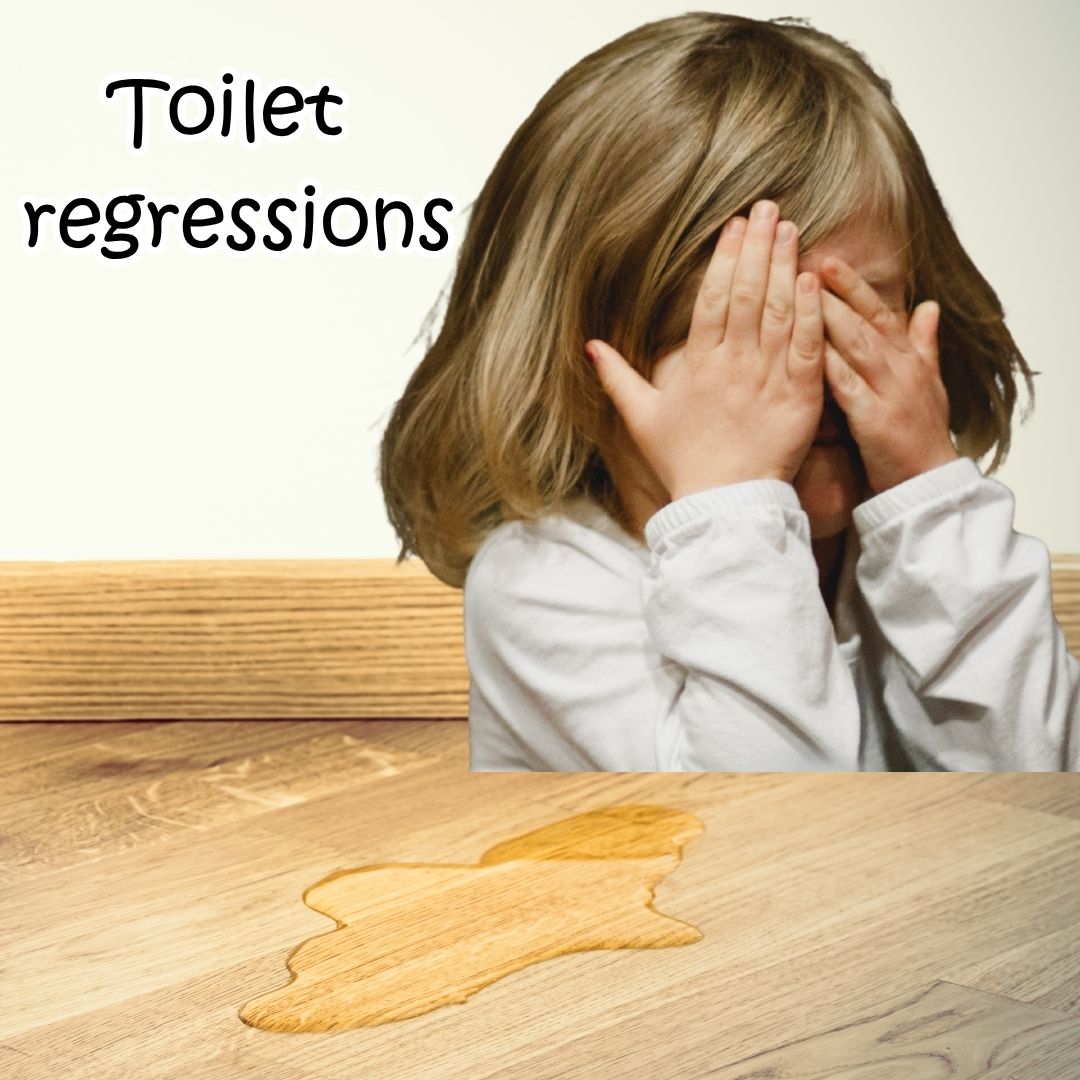
When your child regresses with toileting after illness, they're not going backwards. They're building a runway.
I hear this often from parents.
Your child was doing so well.
They were using the toilet independently, accidents ( or what I call mistakes) were rare, and you could finally see the light at the end of the tunnel.
Then they got a bug.
A few days of illness, a bit of disruption to routine, and suddenly it's like you're back at square one.
They're withholding again.
Avoiding the toilet.
Maybe having accidents they'd long stopped having.
First I want you to know it's not your fault. Toileting regression after illness is one of the most common things I see in my work supporting children with toileting difficulties.
And second, and this is the important part, it doesn't mean the progress is gone. Not even close.
A TED Talk That Changed How I Think About Setbacks
I want to share something with you that reframed everything for me. Dr. Betsy Blackard gave a TEDx talk called
"What Kids Know About Motivation (And We Don't)" and in it she introduces the concept of the Running Leap.
It's worth 10 minutes of your time, I promise. You can find it here
Here's the core idea, when children back away from a challenge, they're not giving up. They're backing up to get a running start. Just like you'd never stand at the edge of a stream and jump from a standstill, children instinctively retreat to something easier, something they can master, so they can build the confidence they need to leap forward.
Dr. Blackard tells the story of a little girl at a swimming pool, frozen at the top of a big water slide. Instead of going down, she retreats to the baby slide. Her mum, watching from below, calls out that the smaller slide is "for babies." But that little girl knew exactly what she was doing. She slid down feet first, head first, backwards, mastered every angle of that little slide, and all the while she kept stealing glances at the big one. Before long, she walked back over and went straight down. No persuasion needed.
She wasn't avoiding the challenge. She was building her runway.
What This Means for Toileting Regression After Illness
When a child gets sick, especially with anything involving stomach upsets, diarrhoea, vomiting, or pain, their body and brain learn something, the toilet is connected to feeling awful. That's a powerful, visceral association. Of course they back away from it.
Bowel withholding after illness is particularly common.
A child who had a painful experience going to the toilet when they were unwell may start holding on to avoid repeating that discomfort. What looks like defiance or a step backwards is actually their nervous system doing its job, protecting them from something that hurt.
The Running Leap reframe, they're not regressing. They're backing up. They need to rebuild their confidence from a place that feels safe before they can take the leap forward again.
What Parents Often Do (With the Best Intentions)
It's completely natural to feel frustrated when progress disappears overnight. And it's natural to respond by encouraging, reminding, prompting, or sometimes pressuring a child to get back on track.
"But you were doing so well" "You don't need a nappy, you're a big kid now. Just try, you know how to do it."
The problem is that this is the equivalent of Dr. Blackard's mum calling the baby slide "for babies." It adds pressure at the exact moment the child needs safety. And pressure, even well-meaning pressure, tends to make children back up further, not less.
Our fears and our urgency get in the way of their process. The child who is withholding isn't being difficult. They're doing what every child's nervous system does, seeking safety before attempting something scary again.
So What Do You Actually Do?
The practical application of the Running Leap in toileting support looks like this.
Lower the bar completely. Go back to whatever felt easy and successful before the illness.
If that means sitting on the toilet clothed, great. If it's just visiting the bathroom together with no expectation of using it, that counts. Let them be on the baby slide again for a bit. Mastery at a small level rebuilds confidence faster than pushing toward the goal.
Take the pressure off the outcome. Try to shift your focus from "are they using the toilet" to "do they feel safe near the toilet."
Those are two very different questions, and the second one is what actually drives the first.
Watch for the glances.
In Dr. Blackard's story, the little girl kept looking back at the big slide even while she was on the small one. Children who are in a toileting regression often do the same. They might mention the toilet unprompted, show interest in what siblings are doing, or ask questions. These are signs that the motivation is still there. They're loading up.
Trust the timeline.
This is the hardest part.
But the runway phase is not wasted time. It's essential.
A child who is given space to rebuild confidence after a setback tends to return to their previous level faster than a child who is pushed before they're ready.
Bowel Withholding
If your child experienced constipation, painful stools, or straining during their illness, the likelihood of withholding afterwards is even higher. Pain is one of the most powerful drivers of avoidance.
Children who associate pooing with pain will withhold, which leads to harder stools, which causes more pain, which leads to more withholding. It becomes a cycle quickly.
If you suspect your child is in this cycle, it's worth speaking to your GP or a paediatric continence nurse. ( if you can get a referral) Getting the physical side comfortable again is step one.
The confidence piece comes after, and it can't really happen while the child is in pain.
When to Get More Support
Most children who regress after illness find their way back with time, patience, and a lowered bar at home.
But if your child has been withholding for more than two to three weeks after recovery, is experiencing pain or significant distress around toileting, was never fully confident with toileting before the illness, or has additional sensory or developmental needs that complicate the picture, then it's a good idea to seek specialist support rather than waiting and hoping.
Specialist toileting support can make a real difference when things are stuck.
You don't have to navigate it alone, and getting support early tends to make the process shorter and less stressful for everyone.
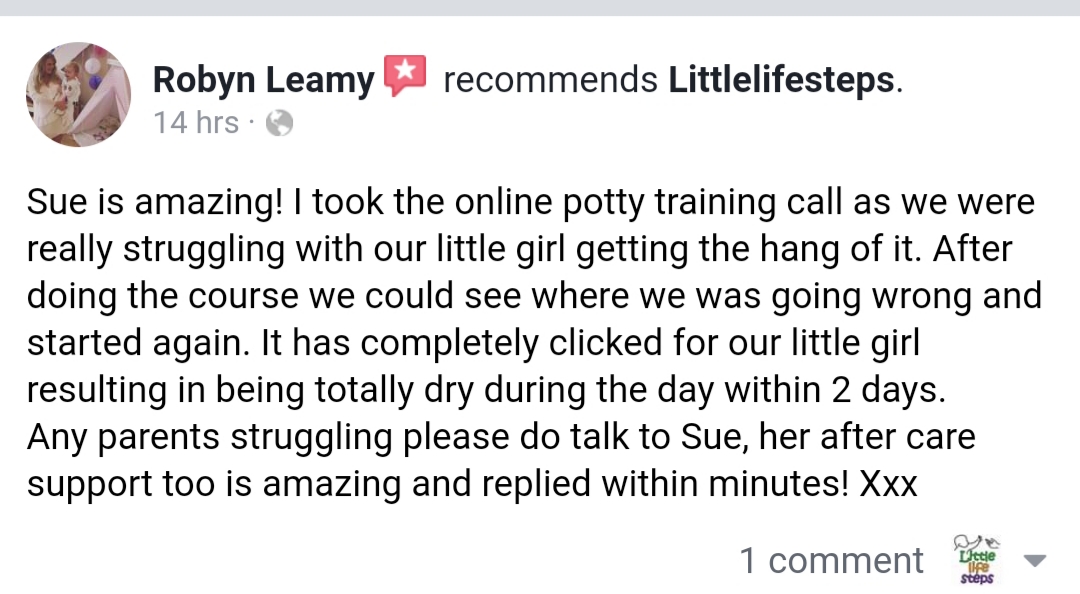
As you can see by one review below.
When your child goes backwards with toileting after illness, the worst thing you can do is panic or push. The best thing you can do is take a breath, lower your expectations for a little while, and trust that they know how to find their way back to the big slide.
They've done it before.
Their body remembers.
They just need a safe runway.
The Running Leap is working, even when it looks like nothing is happening at all.
If you found this helpful, share it with another parent who might need to hear it. And if you're worried about your child's toileting, book in a free call with me here. I work with children and families to navigate exactly these challenges.
Or join my Parenting Hub here and get access to many of my resources and videos for sleep, behaviour , toileting and eating.