- Jul 21
Could What If, Pig? Book ,Help Your Child With School Drop-Off Worries?
- Sue Welby
- School Ready
- 0 comments
If your child starts asking lots of "what if?" questions before school, you're not alone.
"What if you don't come back?"
"What if no one plays with me?"
"What if I don't know what to do?"
For many young children, especially around the ages of 4 to 6, these worries can make school drop-offs emotional and challenging.
As a parenting consultant, I'm often asked how parents can help children who seem to expect the worst.
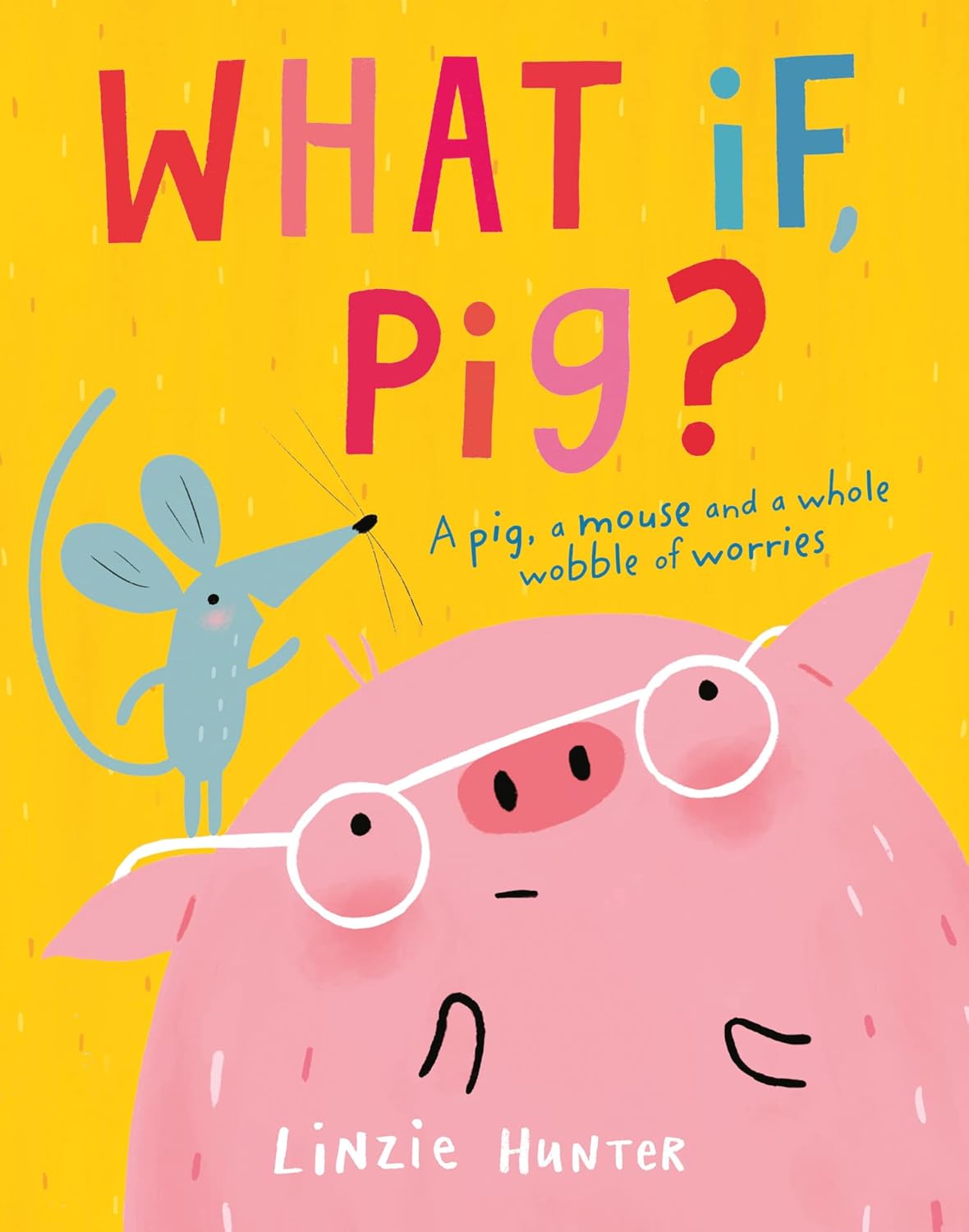
One book I often recommend is What If, Pig? by Linzie Hunter. ( Its on special at the moment only £5.99 on amazon- affliate link)It's a gentle, funny story that opens the door to talking about anxiety and worries in a way that young children can understand.
Why this book works
Pig is a lovable character who worries about everything. His imagination runs away with him as one "what if?" quickly turns into another.
This is exactly how anxiety often works for children.
A small thought like, "What if Mum is late?" can quickly become, "Maybe she's forgotten me. Maybe I'm staying at school forever."
Children don't choose to think this way. Their brains are trying to keep them safe by imagining possible dangers. The problem is that anxious brains often overestimate how likely those dangers are.
It helps children understand their worries
One of the strengths of this book is that children begin to recognise their own thinking.
Instead of hearing an adult say, "Don't worry," they see Pig experiencing the same thoughts they have.
This helps children realise,
Everyone has worries sometimes.
Worries can grow bigger and bigger.
A worry isn't always telling the truth.
That's an important lesson for young children who struggle with separation anxiety.
Mouse models calm thinking
Rather than dismissing Pig's fears, Mouse responds with patience and calm.
This is a wonderful model for parents too.
When children are anxious, they don't need us to argue with their feelings. They need us to acknowledge the worry while gently helping them see another possibility.
Instead of saying:
"There's nothing to worry about."
Try:
"Your worry is wondering what might happen. Let's think about what usually happens."
This approach helps children feel heard while encouraging more flexible thinking.
How it can help with school drop-offs

If your child becomes upset every morning, this book gives you a shared language.
After reading together, you might say:
"I wonder if your Worry is talking like Pig today."
Or ask:
"What is your Pig worry saying?"
Children often find it much easier to talk about a character's worries than their own.
You can then gently explore:
"Has that happened before?"
"What usually happens when I pick you up?"
Rather than trying to eliminate the worry, you're helping your child question it.
Questions to ask after reading
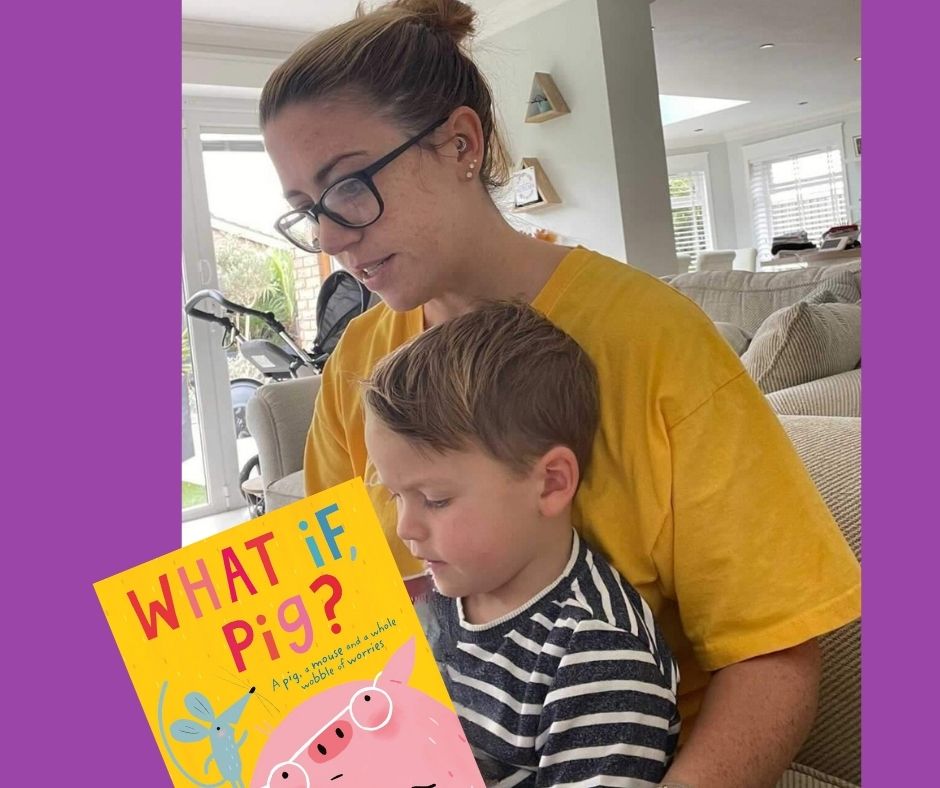
Reading the story is only the beginning.
Some lovely conversation starters include:
-
What was Pig worried about?
-
Did all of Pig's worries come true?
-
Have you ever had a Pig worry?
-
What does your worry tell you before school?
-
What usually happens instead?
What could Mouse say to you?
These questions encourage children to think about their worries without feeling criticised or rushed.
If your child experiences difficult school drop-offs, it's completely understandable to want to reassure them over and over again.
While reassurance feels helpful in the moment, repeated reassurance can sometimes accidentally feed the cycle of anxiety.
Instead, aim to acknowledge the feeling, remind your child of what they know from experience, and stick to a calm, predictable goodbye routine.
Books like What If, Pig? don't make worries disappear overnight, but they give children something incredibly valuable, a way to understand what is happening inside their minds.
And when children understand their worries, they're often better able to face them.
My takeaway
I love What If, Pig? book because it doesn't tell children to stop worrying. It shows them that worries are simply thoughts, not facts.
For children who find school drop-offs difficult, that's a powerful message.
The goal isn't to get rid of every "what if?" It's to help children discover that they can notice a worried thought, take a deep breath, and still walk through the school gate with courage.
Have you read What If, Pig? with your child?
I'd love to hear what they thought of Pig's big worries and whether it sparked any conversations at home.
Sue xx
P.S Is your little one starting school this September?
If you're hoping to make those first few weeks feel calmer and more confident for both you and your child, my recorded
Starting School course is packed with practical strategies to help ease school worries, support positive drop-offs, and build your child's confidence before they even walk through the classroom door.
You can watch it at your own pace and return to the videos and resources whenever you need a refresher.